Today’s UK wellness scene showcases a curious mix. Ancient healing arts and current digital entertainment might appear completely different, but they both attract people searching for relief or distraction. The term “Acupuncture Treatment Coin Strike Slot Alternative Medicine” reflects this unusual combination. It points to a cultural habit of looking for equilibrium and excitement in diverse settings. Acupuncture is a centuries-old practice within alternative medicine, focused on holistic health. In contrast, games like the Coin Strike slot deliver a dash of digital excitement. This article explores both. It investigates acupuncture’s established position in British healthcare and the separate world of slot-themed entertainment. We will discuss how each is controlled and why understanding the line between care and entertainment is important for taking wise options.
Understanding Acupuncture as Governed Alternative Medicine in the UK
In the UK, acupuncture isn’t any fringe mystery. It’s a regulated complementary therapy with a distinct professional structure. The treatment utilizes fine, sterile needles inserted at specific points on the body. This stimulates nerves, muscles, and connective tissue, which can increase the body’s natural pain relief and optimize blood flow. The British Acupuncture Council (BAcC) guides the way in self-regulation. Its members must complete extensive accredited training and observe strict codes of practice. You can also discover acupuncture within the mainstream health system. A increasing number of NHS GP surgeries and pain clinics provide it, particularly for chronic issues like chronic lower back pain and migraine prevention. This adheres to guidelines from the National Institute for Health and Care Excellence (NICE). That integration demonstrates how acupuncture has gained its place as a reliable part of a wider healthcare plan.
The Principles Behind the Practice
Traditional Chinese acupuncture is based on the idea of Qi, a life energy that travels along body pathways called meridians. Illness stems from blockages or imbalances in this flow. Western medical acupuncture, often employed by doctors and physiotherapists, has a different approach. It focuses on neurophysiology, examining how needles impact the nervous system and prompt the release of the body’s own pain-relieving chemicals. Both approaches, despite their different explanations, aim for the same result: a therapy that improves function and eases discomfort. For someone in the UK, this means accessing a treatment that’s widely seen as safe when done by a qualified professional. The side effects are usually minimal, especially compared to some drug-based alternatives.
What to Expect from a Session
Your first acupuncture appointment will likely start with a extended chat. The practitioner will discuss your health history, your lifestyle, and the exact symptoms that brought you in. They might then do a physical exam, which may include checking your pulse points and looking at your tongue, practices borrowed from traditional diagnosis. For the treatment itself, you’ll recline comfortably while the practitioner applies the needles. Most people experience a momentary dull ache or a tingling sensation, which then melts into a state of deep relaxation. Practitioners usually suggest a course of sessions, as the benefits of acupuncture are inclined to build over time. Patients often observe improvements that go beyond their main complaint, reporting better sleep, more energy, and lower stress levels. This emphasizes the therapy’s holistic nature.
The Rise of Holistic Therapies in United Kingdom Healthcare
A quiet shift has occurred in British attitudes toward health. Public use of and engagement with therapies like acupuncture has increased substantially. People want more tailored, patient-centred care, and research continues to build evidence for certain treatments for specific conditions. The British Medical Association acknowledges this public demand and has urged better regulation and more studies. This trend isn’t about ditching conventional medicine. It’s about seeking integrative approaches. Individuals are assuming a more active role in their health, often using acupuncture alongside standard treatments for chronic pain, anxiety, fertility support, or managing symptoms during cancer care. You can receive these services privately, and increasingly through NHS referrals, demonstrating how they’ve become a normal part of the health landscape.
Coin Strike Slot Analysing the Digital Gaming Sensation
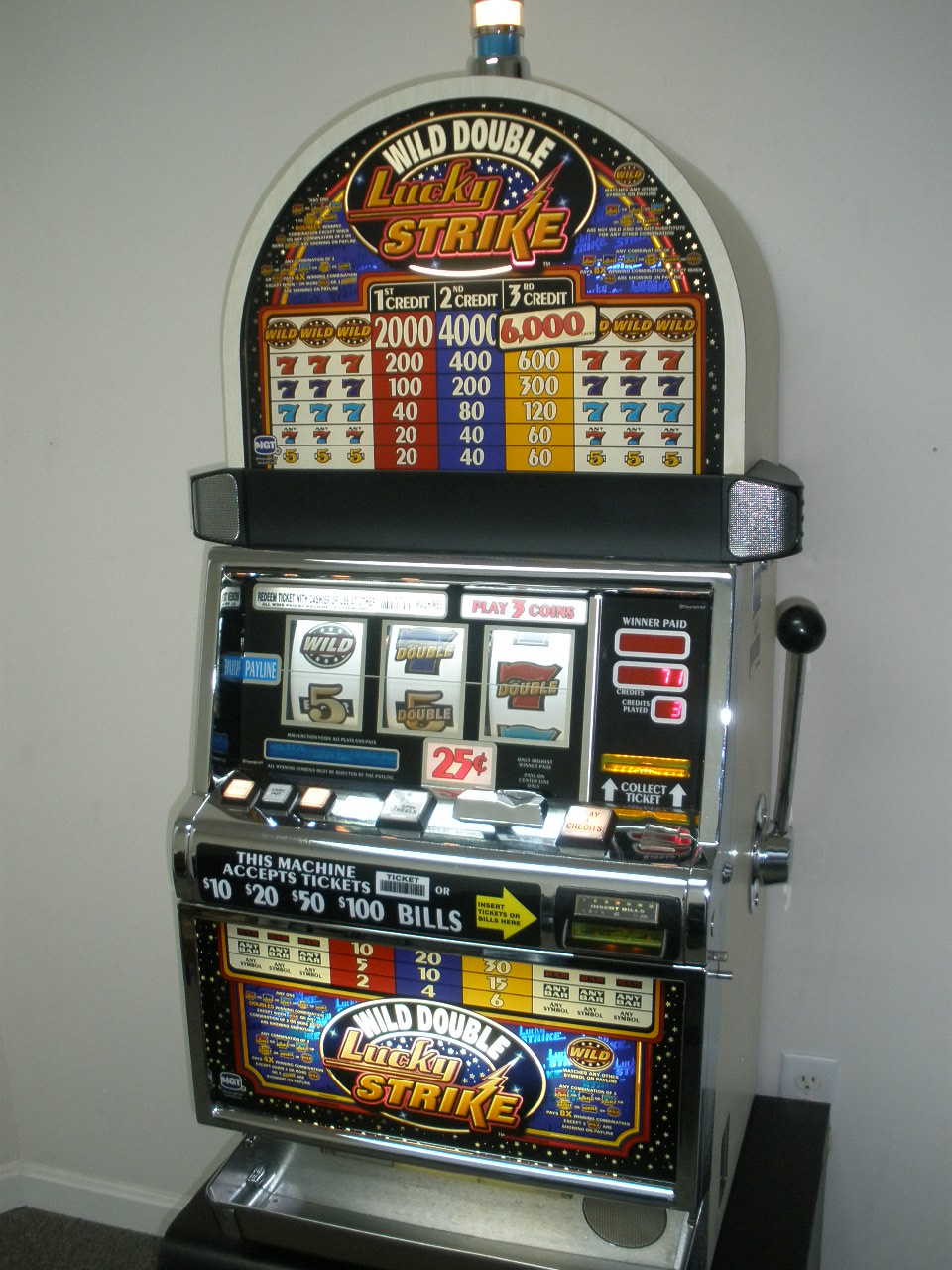
Set against the calm, therapeutic setting of acupuncture is the vibrant online world of online slots. Games like “Coin Strike” are a widespread form of online entertainment. These are casino-style games designed for fun, often focused on treasures like rare metals or gems. The “Coin Strike” theme involves striking coins to uncover potential wins. It’s crucial to be sure about what this is: a game of chance. Its single purpose is recreational play within UK-licensed online casinos. The games utilise Random Number Generator (RNG) software to guarantee fair and unpredictable results. Their appeal comes from immersive graphics, engaging sounds, and special features like bonus rounds or “hold and win” mechanics that provide bursts of excitement. Understanding this as pure leisure, completely separate from therapy or a way to make money, is the cornerstone for a healthy approach to such entertainment.
Mechanics and Concepts of Slot Games
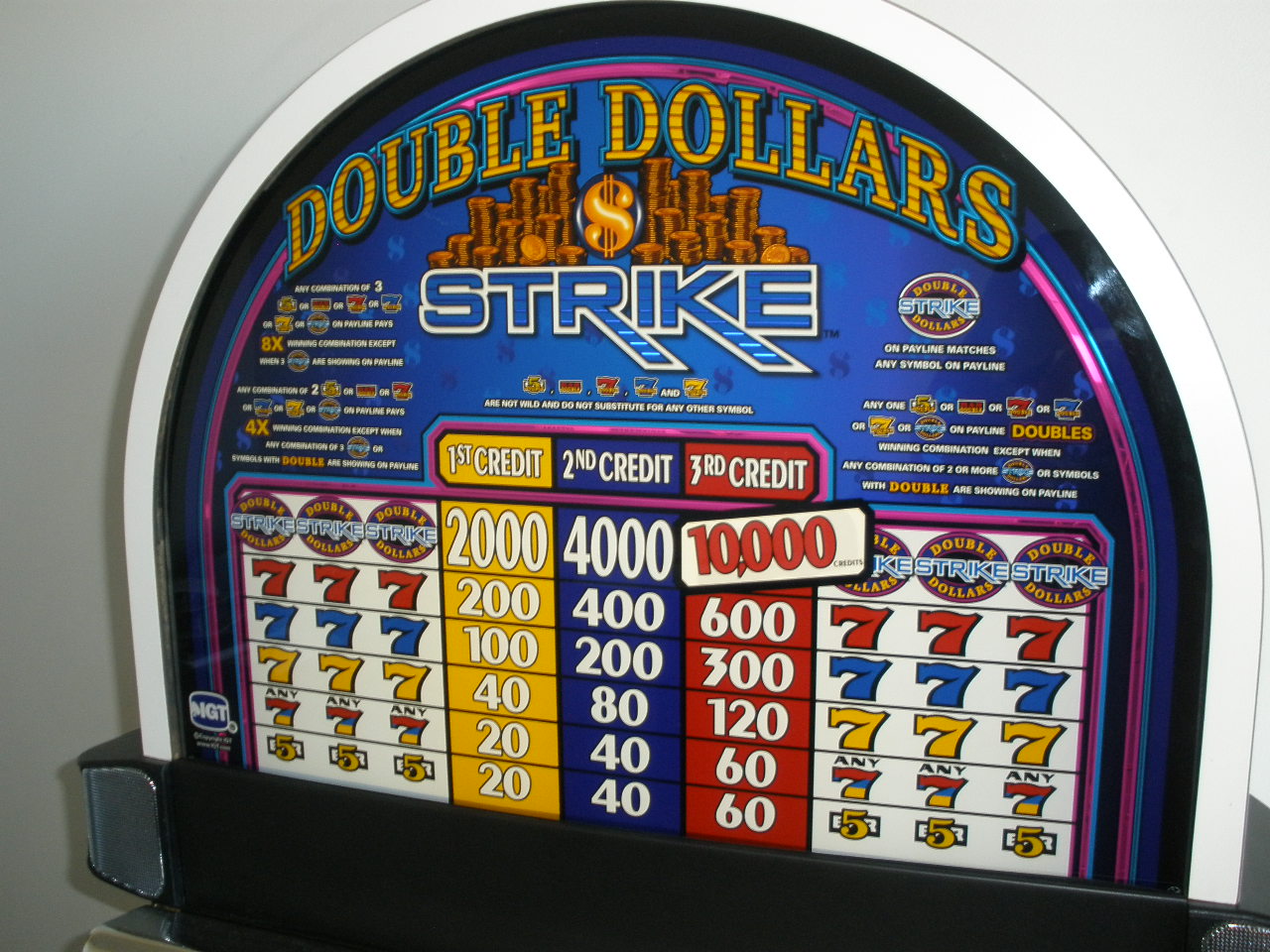
Games like Coin Strike function on a basic core cycle. You put down a bet, spin the reels, and hope for matching symbols on active paylines. The “Coin Strike” or “hold and win” feature is a common bonus. Special symbols land and lock in place, triggering a set of respins with the possibility for bigger payouts. The theme itself—glittering, loud, and centred on instant wealth—is a significant part of the draw. But it’s all simulation. It’s a digital pastime with no physical health outcome, which represents the fundamental difference from the biologically interactive process of acupuncture. Keeping this distinction clear stops the hazardous combination of entertainment with therapeutic hope or financial planning.
The Reasons Behind Merging Treatment and Entertainment
Why do phrases such as “acupuncture treatment” and “Coin Strike slot” occasionally show up side by side? This frequently begins with internet searches and online advertising. Individuals wanting to unwind or get away may search extensively, covering everything from stress-management therapies to entertaining games. Algorithms and advertising platforms then obscure the distinctions, offering entirely unrelated services under shared umbrella terms such as “alternative medicine” or “stress relief.” This conflation poses a difficulty. It can make serious medical therapies seem trivial, and it can attach false therapeutic promise to entertainment products. For people in the UK, building strong digital literacy is key. It is necessary to identify the purpose and official regulation of any content you discover online. Health choices ought to rely on data from accredited organizations such as the BAcC or the NHS, rather than from an advertisement beside a game.
Navigating Regulation: Acupuncture vs. Online Gaming in the UK
The UK has developed distinct regulatory frameworks for acupuncture and online gaming, each aimed to protect the public in its own way. Acupuncture isn’t regulated by statute like medicine, but the profession preserves high standards through voluntary regulation. Groups like the BAcC hold accredited registers approved by the Professional Standards Authority, delivering a trusted kitemark for consumers. Online gaming, including slots, faces strict statutory control. The UK Gambling Commission (UKGC) oversees the industry under the Gambling Act 2005. Every operator must have a UKGC licence. They must carry out rigorous age verification, offer tools for deposit limits and self-exclusion, and verify all games are fair. Both systems strive for consumer safety, but from different perspectives: one safeguards treatment integrity, the other works to prevent gambling harm.
- Acupuncture Regulation: Guided by professional bodies like the BAcC; focuses on training standards, hygiene, and ethical practice.
- Online Gaming Regulation: Enforced by the statutory UK Gambling Commission; centers on licensing, fair play, and responsible gambling safeguards.
- Common Goal: Consumer protection, though through fundamentally different mechanisms appropriate to each field’s risks.
Deciding Smartly for Well-being and Recreation
The optimal way to both health and leisure is a conscious one. If you’re exploring acupuncture, make an well-considered choice. Review the practitioner’s credentials to ensure they’re on a official professional register. Conduct a clear conversation about what the treatment aims to achieve and the evidence behind it. View it as one part of a broader health strategy. If you opt to engage with online slot games, your informed choice means viewing it for what it is: a paid leisure activity where you may lose money. Establish strict budgets for time and spending before you start. Utilize the responsible gambling tools the operators offer, and never pursue losses. Most importantly, don’t mix these spheres. Entertainment is no substitute for healthcare, and you shouldn’t look for healthcare on an entertainment platform. Keeping that boundary firm secures both your physical well-being and your financial health.
Common Questions
Can I get acupuncture available on the NHS in the UK?
Yes, in some areas. The NHS may make available acupuncture, mainly for chronic pain including lower back pain and migraines, following NICE recommendations. Access depends on your local Clinical Commissioning Group (CCG) and requires a GP referral. As availability can be inconsistent, many people opt to see a private acupuncturist registered with the BAcC for a broader range of conditions.
What should I seek when choosing an acupuncturist?
Make sure to select a practitioner registered with a professional body. The British Acupuncture Council (BAcC) and the Acupuncture Association of Chartered Physiotherapists (AACP) are the primary ones. These registers confirm the practitioner has met high standards for training, safety, and professional conduct. You can quickly check a practitioner’s status on the organisation’s website before booking.
Are there online slots such as Coin Strike legal in the UK?
That’s correct, they are legal if you are over 18 and use a website licensed by the UK Gambling Commission (UKGC). It is illegal to play on unlicensed offshore sites. Any legitimate operator will feature the UKGC logo prominently at the bottom of their homepage.
In what ways can I play online slots responsibly?
Gamble wisely by defining deposit boundaries initially. Pick a particular leisure spending limit you can handle losing, and stay with it. Don’t chase losses. Employ the instruments authorized operators supply, like session reminders and self-exclusion options. Consider it paying for leisure, comparable to a theater ticket, rather than a method to earn money.
Can acupuncture help with stress and anxiety?
A lot of patients describe decreased stress and anxiety post-acupuncture. The therapy appears to encourage calmness by influencing the nervous system and prompting the secretion of endorphins. Though it’s a widely used supplementary choice for these problems, coin strike slot real reviews, it functions optimally within a broader strategy that could include talking therapies and lifestyle adjustments.
What distinguishes a therapy from a game such as a slot?
The distinction lies in intent and outcome. A therapy like acupuncture is an intentional health practice provided by a skilled practitioner, aiming for a specific therapeutic outcome backed by evidence. A slot machine is regulated amusement founded on luck. It’s crafted for brief involvement where you wager funds, and it provides no wellness advantages. Blurring the lines between them can cause unwise decisions and likely injury.

